Skip to content

Specialist underwater inspection

ROV water tank inspections

See below the surface.

Understand the condition of your tank without starting with a drain down. Underwater drone inspections for fire sprinkler tanks, water storage assets and other suitable submerged structures.

Scope and price agreed before booking. UK assignments assessed by location and specialist availability.

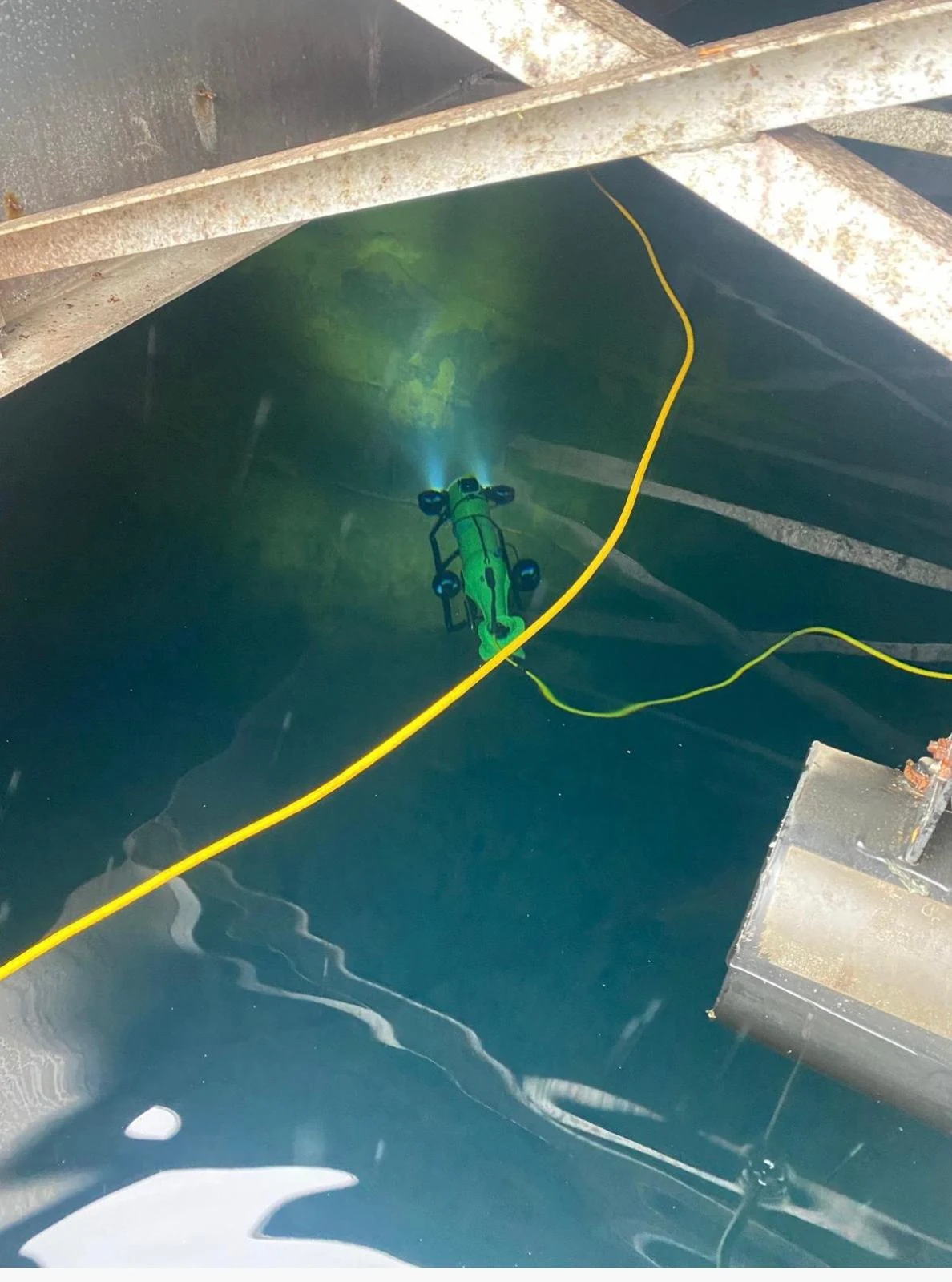
Tethered underwater ROV with lights deployed through a water tank access opening
ROV deployment photograph supplied by the inspection specialist.
  • Inspect with water in place

    Where the asset and operating conditions allow.

  • Keep the operator at the surface

    Capture internal imagery without human entry.

  • Turn observations into actions

    Evidence to support maintenance decisions.

A clearer view of your asset

What can an ROV tank inspection show?

An ROV is a remotely operated underwater vehicle: a tethered underwater drone controlled from the surface. Its camera and lighting record accessible submerged areas, helping your team plan maintenance and decide where further investigation is needed.

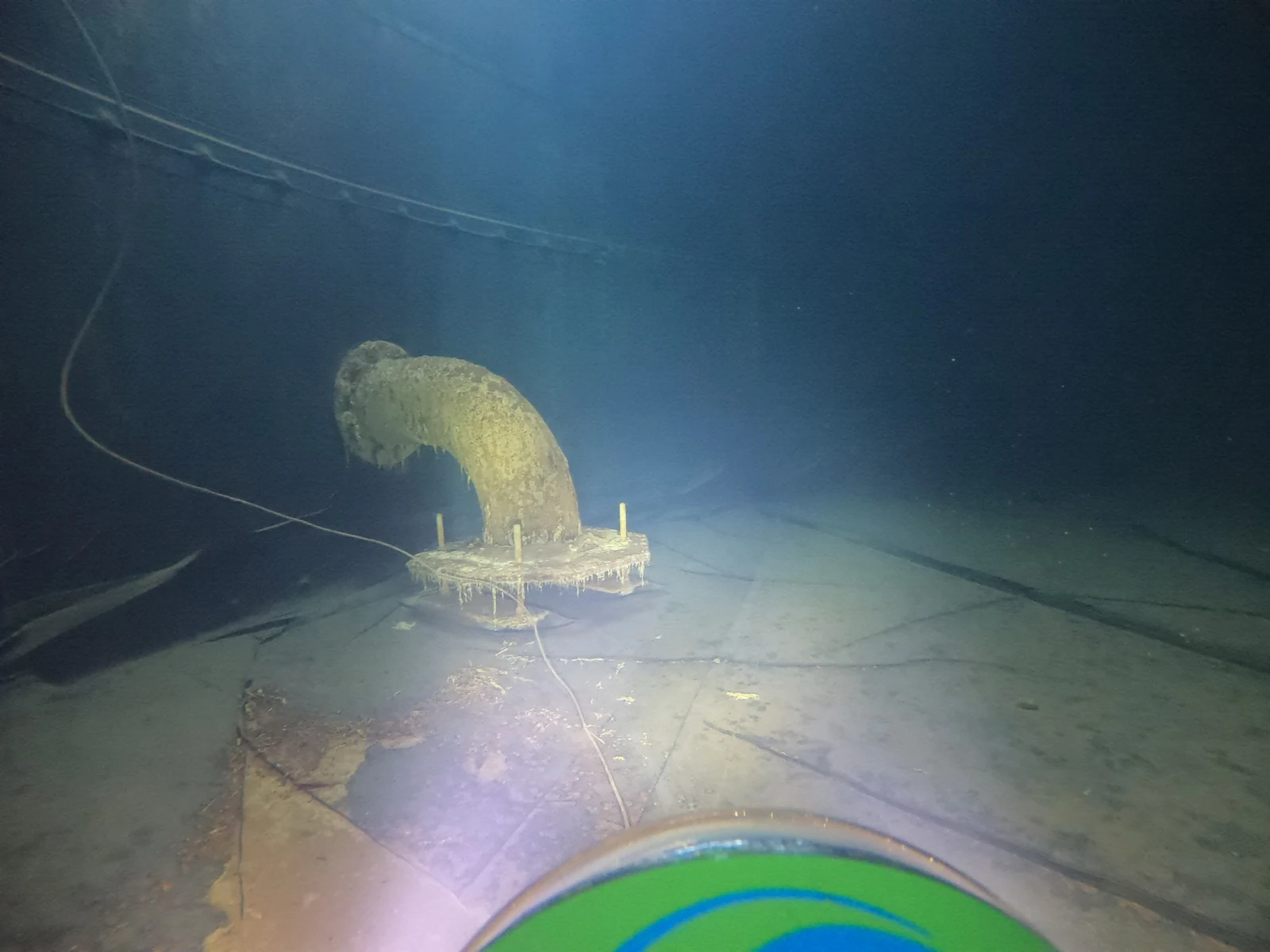
Underwater inspection image showing a pipe outlet, tank liner and sediment on the floor
Original underwater imagery supplied by the specialist. Visibility varies with lighting, water clarity and disturbed sediment.

Look closer

Sediment and visible debris

Identify areas of sediment accumulation and visible debris. If deposits cover the floor, the report records that the surface beneath could not be assessed.

Internal walls and liners
Visible damage, folds, deposits and areas needing closer investigation.
Inlets, outlets and fittings
Accessible pipework, connections, obstructions and visible deterioration.
Tank floor and sediment
Deposits, debris and limits to the inspection beneath them.
External condition and access
Accessible shell, hatches, ladders and ancillary items, where included in the agreed scope.

Water tank inspection services

Start with the tank. Build the right inspection.

01 / Fire protection

Fire sprinkler tank inspections

Record the visible condition of water storage tanks serving sprinkler and fire protection systems. Review liners, sediment, accessible outlets and other agreed components to support your maintenance programme.

For facilities managers, fire protection contractors and commercial asset owners who need evidence before planning remedial work.

02 / Water storage

Potable water tank inspections

Discuss internal visual inspections of drinking water storage assets. Acceptance depends on suitable equipment, documented hygiene and disinfection arrangements, and the asset owner's requirements.

Water sampling and laboratory analysis are separate services. A camera inspection cannot confirm that drinking water is safe.

03 / Water storage

Process and rainwater storage tanks

Inspect suitable process water and rainwater harvesting tanks to record visible deposits, internal surfaces and accessible fittings.

Tell us about the water, any chemicals or contamination, temperature, internal equipment and operating restrictions so we can assess suitability.

Can the tank stay in service?

Often an inspection can be carried out with water in place. Keeping the asset operational is a separate decision: access, hygiene, moving equipment, suction points and site controls must be assessed first. Any isolation or impairment arrangements are agreed with the responsible site team.

Evidence your team can use

A report that helps you decide what happens next.

Agree the outputs before the visit. Your inspection can include a structured condition report with supporting photographs, video where agreed, observed issues and recommended next steps.

  1. 01Asset details, inspection date and scope
  2. 02Referenced photographs and observations
  3. 03Areas inspected and areas not visible
  4. 04Recommended maintenance or further checks
  5. 05Additional measurements, where commissioned
Download the report example

PDF · Anonymised historic findings, presented in a new Drone Assisted format.

Observed / recorded / recommended

Below the surface. Beyond the footage.

Sediment across the floor

Cleaning recommended. Floor condition obscured.

Visible liner condition recorded

No visible tears reported in the accessible areas.

Damaged volume gauge connection

Replacement recommended in the original report.

Historic example · June 2021
Specialist's previous work, before joining Drone Assisted.

What a finding can change

A tank can look sound. The next action still matters.

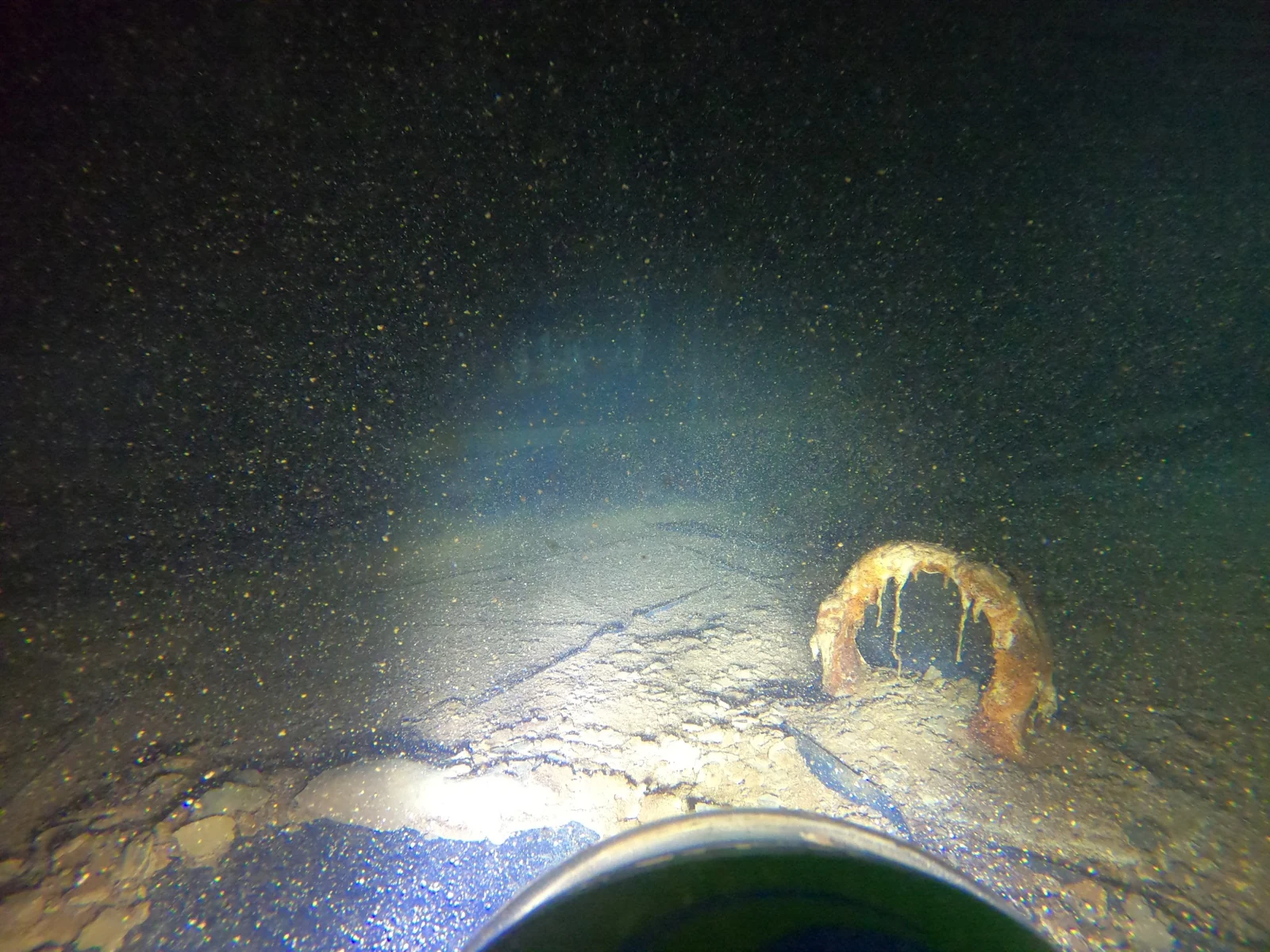
ROV photograph of deposits on a water tank floor and around a submerged outlet
Separate example of underwater tank imagery supplied by the specialist.

A previous inspection by the specialist covered a 220 m³ fire sprinkler tank recorded as online. The report described sediment across the floor, a damaged volume gauge connection and a hatch security improvement.

The visible liner was reported without tears, but sediment prevented assessment of the floor beneath. Cleaning was recommended before that hidden condition could be judged.

That distinction gives a maintenance team something useful: what was seen, what remains unknown and what to investigate next.

Anonymised example from June 2021. This was the specialist's previous work, not a Drone Assisted commission or a statement of the tank's current condition.

Beyond water tanks

Other underwater ROV inspection services.

Have a different asset below the waterline? Submit the location, inspection purpose and site information. We assess each request against the specialist's equipment, access, conditions and experience.

01

Boat hulls and submerged fittings

Visual checks of accessible hull areas and fittings to support further assessment or maintenance planning.

02

Jetties and waterside structures

Underwater imagery of accessible submerged elements, with coverage agreed around the asset and water conditions.

03

Reservoirs and flood defence assets

Scoped visual inspections of suitable accessible areas and components. Visibility, flow and launch access determine feasibility.

04

Pools, lagoons and leisure facilities

Visual inspections for swimming pools, wave pools, surf lagoons and water features, subject to suitable operating controls.

05

Fisheries and aquatic facilities

Discuss inspection or visual recording requirements, including aquatic animal welfare and site biosecurity controls.

Sonar surveys, ultrasonic testing, cleaning, recovery and engineering certification are not included automatically. Request any additional capability in your brief so it can be assessed and confirmed.

One brief. Managed through Drone Assisted.

From the first question to a useful inspection record.

  1. Step 1

    Tell us about the asset

    Share its location, type, dimensions, contents and the issue you need to understand. Photographs of the access point help.

  2. Step 2

    Agree the scope and price

    We review access, operating conditions, equipment, reporting and specialist availability before confirming the quote.

  3. Step 3

    Complete the inspection

    The operator works to the agreed scope and site controls, recording accessible areas and any limits encountered.

  4. Step 4

    Review the findings

    Receive the agreed imagery and report. Use the recorded observations to plan maintenance or instruct further specialist assessment.

Bring more of the site into view.

For sites with both external buildings and water assets, ask Drone Assisted to coordinate suitable aerial and underwater inspection briefs. Each discipline is scoped and delivered by the appropriate specialist.

Checks that fit the work.

We confirm the specialist capability, relevant experience, insurance requirements and site documentation for the agreed ROV assignment. Tell us about inductions, access permits and any hygiene or safety requirements at the briefing stage.

For sprinkler tanks, agree the applicable inspection routine and reporting requirements with your fire protection maintainer and insurer. An ROV report is one part of that process.

Plan your inspection

What is below your waterline?

ROV tank inspection prices depend on the asset, access and the evidence you need. We review your brief and confirm a tailored quote before you book.

The number, size and type of tanks, travel, access equipment, site controls, time on site, reporting and any additional testing influence the price.

Create a Drone Assisted account to submit your requirements. Business accounts are reviewed by the team. Specialist availability and price are confirmed for each assignment.

For a more accurate quote, include:

  1. Location and number of assetsSite postcode, tank count, dimensions or capacity.
  2. Water and operating conditionsWater type, known contamination, temperature, and whether the tank must remain operational.
  3. Access and site requirementsHatch dimensions and height, ladders or platforms, vehicle access and internal obstructions.
  4. Purpose, outputs and timingWhat you need checked, photos or previous reports, any additional tests and your preferred dates.

Useful to know

ROV inspection questions, answered.

Choose the inspection around the asset and the decision you need to make.

Can you inspect a water tank without draining it?

Often, yes. An ROV can record submerged areas while water remains in the tank, provided access, equipment and conditions are suitable. Whether the tank can stay operational is assessed separately. Sediment, obstructions or the required investigation may mean cleaning, isolation or a drained inspection is still needed.

What is included in a fire sprinkler tank inspection?

The agreed scope may cover visible internal surfaces, liners, sediment, accessible inlets and outlets, plus external components and access arrangements. Confirm any ultrasonic thickness testing, functional checks or specific reporting requirements before booking. An ROV visit does not automatically constitute a full sprinkler system inspection or certification.

How often should a fire sprinkler tank be inspected?

Use the programme applicable to your installation, including the current LPC Rules and Technical Bulletin 203 where relevant, manufacturer guidance and insurer requirements. Routine external checks, internal condition inspections and longer term maintenance are different activities. Ask your fire protection maintainer to confirm the interval and scope your tank needs.

Can you inspect drinking water tanks?

Potable water requests are assessed individually. Suitable equipment, hygiene and disinfection procedures, any required operator credentials and the asset owner's approval must be confirmed before accepting the work. Visual inspection is separate from water sampling and laboratory testing.

Can the ROV detect corrosion, leaks or structural damage?

It can record visible deterioration, deposits, damaged surfaces and signs that warrant investigation. Footage alone cannot establish hidden corrosion, remaining wall thickness, watertightness or structural adequacy. Request the relevant additional tests or qualified interpretation where your decision depends on those answers.

What happens if the water is cloudy or the floor is covered?

The operator records the limits to visibility and coverage. Turbidity, suspended material and deposits can hide defects. A further visit, cleaning or a different method may be recommended. Sonar or other specialist equipment must be confirmed separately and should not be assumed to be included.

How much does an ROV tank inspection cost?

We quote against the number, size and type of assets, access arrangements, travel, site controls, time on site and reporting requirements. Additional testing or access equipment affects the price. Send access photographs and any previous report for a more accurate scope and quote.

Do you provide ultrasonic testing or tank cleaning?

Include these requirements in your brief. Additional testing, cleaning and remedial work require separate confirmation of suitable capability, equipment, method and price. They are not automatically included in an underwater visual inspection.

Do you cover sites across the UK?

Submit UK locations for assessment. ROV coverage depends on the specialist's availability, travel, site access and suitability for the task. We confirm whether the assignment can be delivered and the cost before booking.

Will I receive video and a written report?

Agree the deliverables before the visit. These can include still images, video and a structured report describing observations, recommended next steps and inspection limitations. Tell us if your facilities team, insurer or engineer needs a particular format.

See it. Understand it. Plan for it.

Start with a clearer view.

Plan an ROV inspection